









Always in sync, even across episodes
No more "wait, let me pause" moments. Our sync engine keeps everyone frame-perfect—even when you binge multiple episodes in one party.
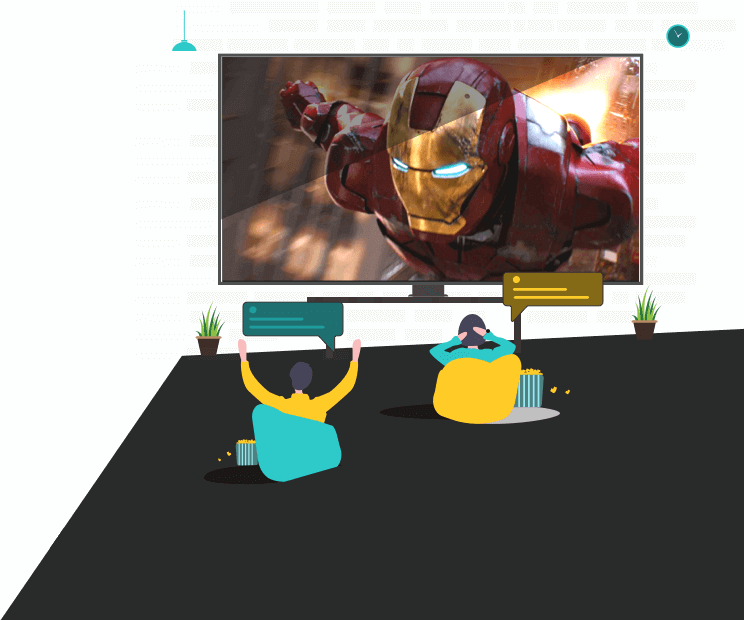
Start playing any video on Netflix, Disney+, or 10+ supported platforms.
Click the Flickcall logo on top right once video starts or hit the Flickcall icon on chrome toolbar. Your watch party is ready in one click.
Copy the party link and send it to your friends. They join with one click—no sign-up required.
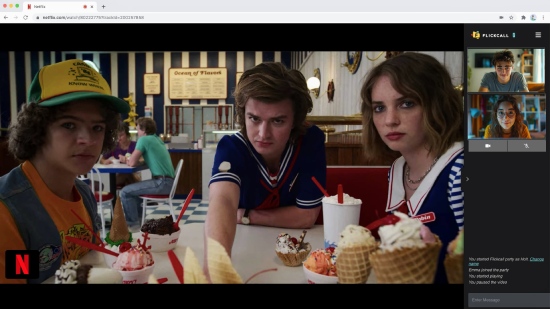
Create watch parties on Netflix, Disney+, JioHotstar, JioHotstar, HBO Max, MAX, Hulu, Prime Video, Youtube, Zee5, Sony Liv, JioHotstar with Flickcall.

No more "wait, let me pause" moments. Our sync engine keeps everyone frame-perfect—even when you binge multiple episodes in one party.

Catch your friends gasping at plot twists. Share laughter in real-time. Video chat makes every watch party feel like you're on the same couch.

Install the extension, play any video, click the Flickcall icon. That's it—share the link and you're watching together.
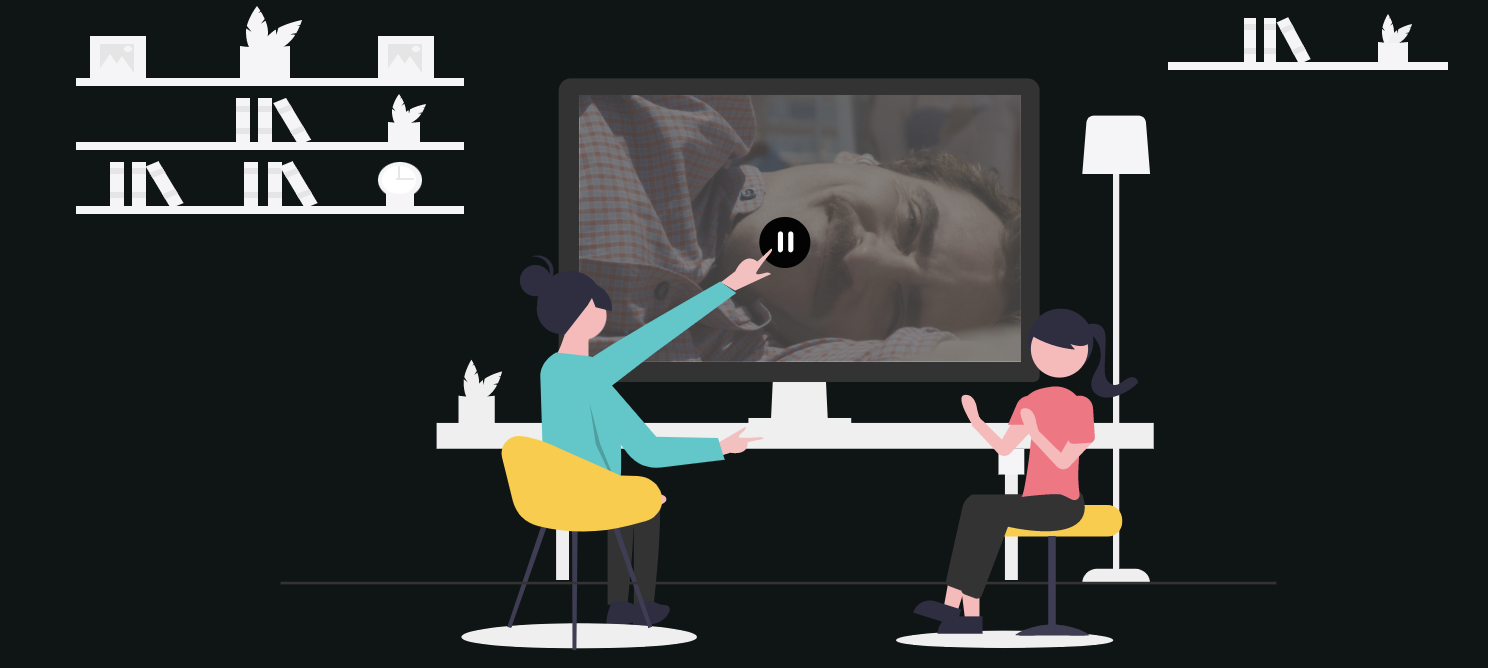
When you pause video, your mic unmutes. When you play, it mutes. Smart Mic knows when you need to talk. No fumbling with buttons, just natural conversation.
We use peer-to-peer technology to connect you directly with your friends. Your video calls and chats are never routed through our servers unless direct connection is blocked*.
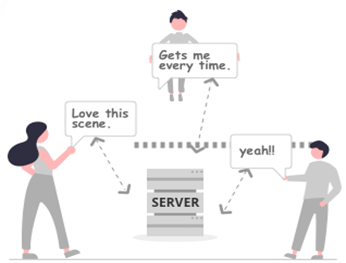
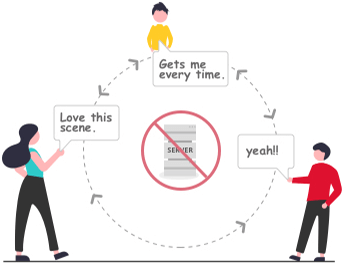
* In some cases, firewall setting doesn't allow direct connection, the calls and messages are encrypted and transmitted via routing servers.
def analyze_video_metadata(video_path): try: clip = VideoFileClip(video_path) print(f"Duration: {clip.duration} seconds") print(f"Resolution: {clip.w}x{clip.h}") print(f"Frame Rate: {clip.fps}") clip.close() except Exception as e: print(f"An error occurred: {e}")
I'm not capable of directly accessing or analyzing specific video files like "Anal_Size_Queens.mp4". However, I can guide you through a general approach on how to analyze a video file programmatically, focusing on extracting and analyzing features from a video. This could involve analyzing the video's content, such as detecting objects, faces, or even understanding the video's metadata.
def detect_faces(video_path): # Load the cascade face_cascade = cv2.CascadeClassifier(cv2.data.haarcascades + 'haarcascade_frontalface_default.xml') # Open a connection to the video file cap = cv2.VideoCapture(video_path) if not cap.isOpened(): print("Cannot open camera") exit() while True: # Capture frame-by-frame ret, frame = cap.read() if not ret: print("Can't receive frame (stream end?). Exiting ...") break gray = cv2.cvtColor(frame, cv2.COLOR_BGR2GRAY) faces = face_cascade.detectMultiScale(gray, scaleFactor=1.1, minNeighbors=4) for (x, y, w, h) in faces: cv2.rectangle(frame, (x, y), (x+w, y+h), (0, 255, 0), 2) cv2.imshow('frame', frame) # Press 'q' to exit if cv2.waitKey(1) == ord('q'): break # When everything done, release the capture cap.release() cv2.destroyAllWindows()
import cv2
def analyze_video_metadata(video_path): try: clip = VideoFileClip(video_path) print(f"Duration: {clip.duration} seconds") print(f"Resolution: {clip.w}x{clip.h}") print(f"Frame Rate: {clip.fps}") clip.close() except Exception as e: print(f"An error occurred: {e}")
I'm not capable of directly accessing or analyzing specific video files like "Anal_Size_Queens.mp4". However, I can guide you through a general approach on how to analyze a video file programmatically, focusing on extracting and analyzing features from a video. This could involve analyzing the video's content, such as detecting objects, faces, or even understanding the video's metadata.
def detect_faces(video_path): # Load the cascade face_cascade = cv2.CascadeClassifier(cv2.data.haarcascades + 'haarcascade_frontalface_default.xml') # Open a connection to the video file cap = cv2.VideoCapture(video_path) if not cap.isOpened(): print("Cannot open camera") exit() while True: # Capture frame-by-frame ret, frame = cap.read() if not ret: print("Can't receive frame (stream end?). Exiting ...") break gray = cv2.cvtColor(frame, cv2.COLOR_BGR2GRAY) faces = face_cascade.detectMultiScale(gray, scaleFactor=1.1, minNeighbors=4) for (x, y, w, h) in faces: cv2.rectangle(frame, (x, y), (x+w, y+h), (0, 255, 0), 2) cv2.imshow('frame', frame) # Press 'q' to exit if cv2.waitKey(1) == ord('q'): break # When everything done, release the capture cap.release() cv2.destroyAllWindows()
import cv2