Arthromere
Understanding arthromeres is essential for studying the developmental biology of invertebrates. The blueprint for these segments is established early in embryonic development by a specific set of genes, such as Hox genes, which determine the identity and characteristics of each segment. By examining how these segments vary across different species, scientists can trace the evolutionary history of jointed animals and understand how simple, repeating units evolved into the diverse array of specialized forms seen in nature today.
Analyze how differs between classes (e.g., Insects vs. Arachnids)
The evolutionary success of arthropods is largely due to this segmented body plan. Each arthromere serves as a building block that can be modified for specific functions. In many species, multiple arthromeres fuse together to form distinct body regions called tagmata, such as the head, thorax, and abdomen. This process, known as tagmosis, allows for a high degree of specialization; for example, segments in the thorax are typically optimized for locomotion (legs and wings), while those in the head are specialized for sensory input and feeding.
Structurally, a typical arthromere is divided into four main regions: a dorsal plate called the tergum, a ventral plate known as the sternum, and two lateral sections called pleura. These rigid plates are connected by flexible membranes, which provide the animal with the necessary range of motion while maintaining a protective exoskeleton. Appendages, such as legs or antennae, usually attach at the pleural regions of specific segments.
If you would like to expand this into a longer paper, I can help you: Compare Detail the genetic markers that define segment boundaries
Arthromere
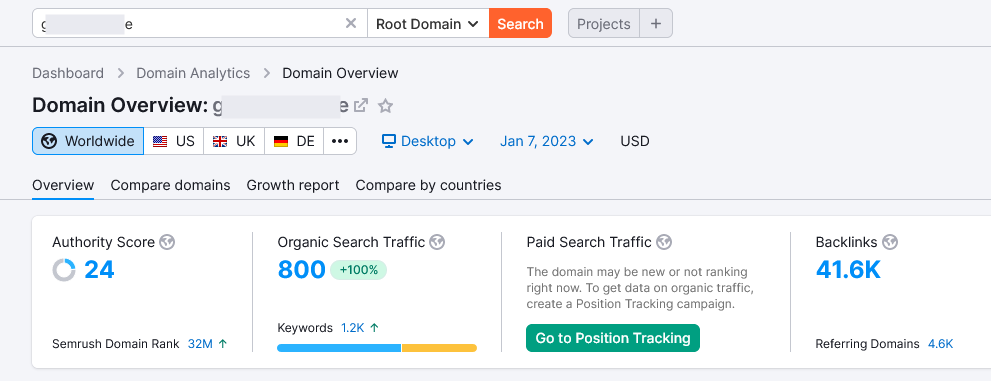
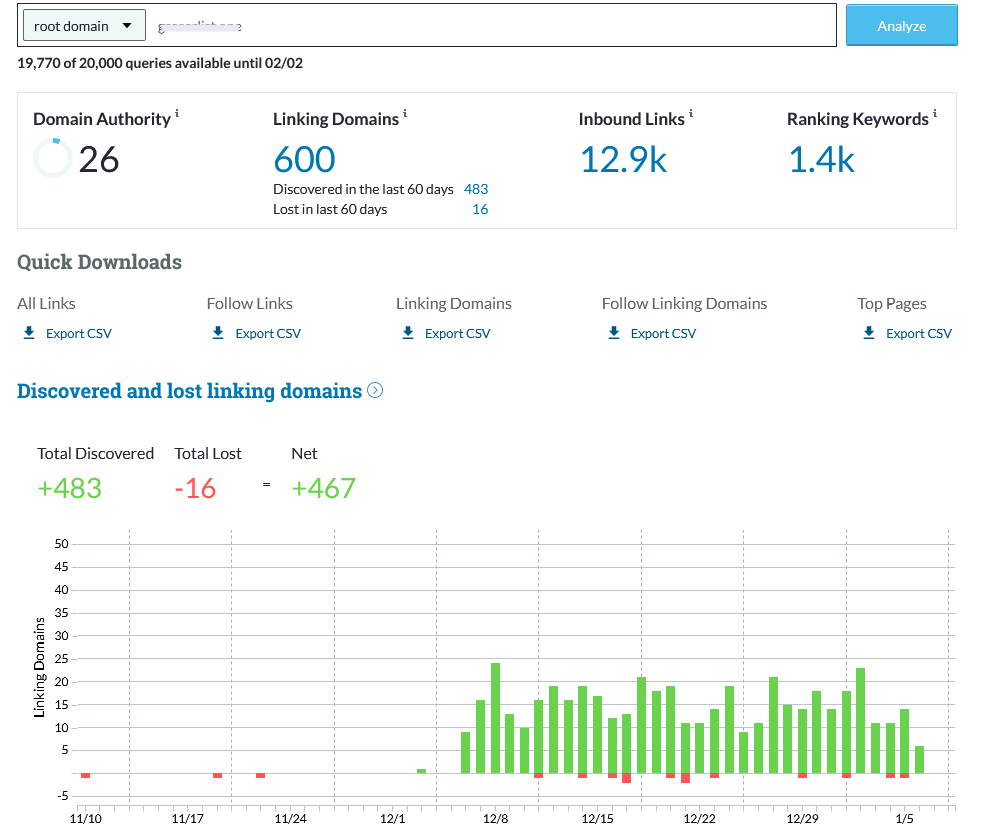
What exactly is GSA SER Verified List? And What is the best way to rank on It?
GSA Search Engine Ranker (SER) is an effective tool utilized by SEO professionals to create high-quality
link opportunity for their websites.
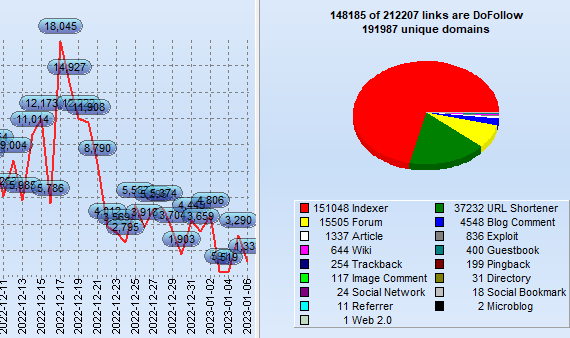
With GSA SER, marketers are able to quickly develop an inventory of verified hyperlinks that are
specifically tailored to the specific requirements of their clients. This allows them to concentrate on
those that are relevant and achieve the most effective outcomes.
Benefits of Using a GSA SER Verified List
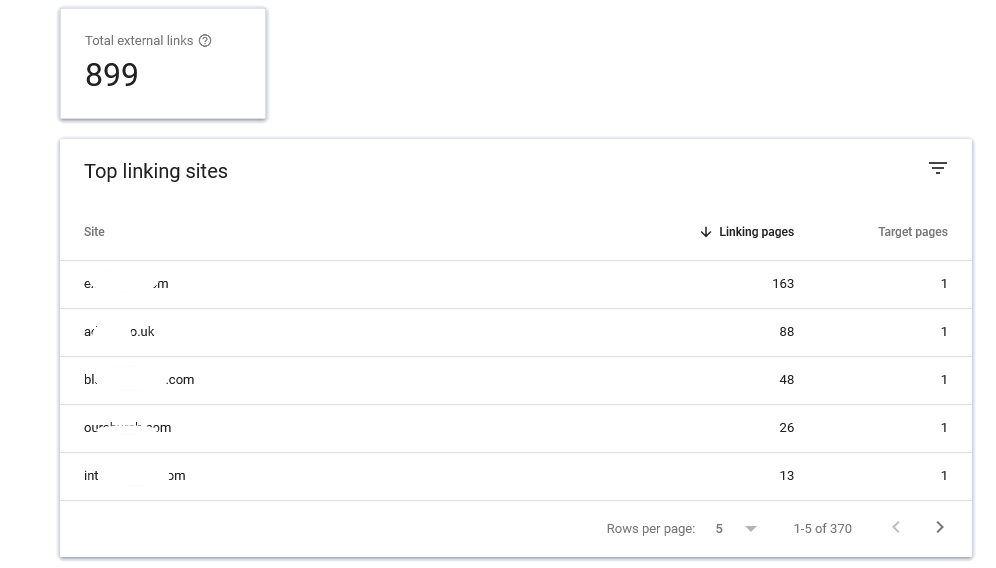
The use of the GSA verified list for SER enables marketers to quickly and effortlessly identify top-quality
link building opportunities that can improve their rankings on search engine result page (SERPs).
arthromere
It is constantly updated continuously to ensure that marketers can be assured that they are receiving the
most recent information available. Furthermore, many of the websites listed on the list are from sites that
are low-OBL Tier 1 This means they are more likely to attract high traffic and aid your blog or website to
climb up the ranks.
How Do You Improve Your Ranking by using the help of a GSA Verified Lists of SERs?
Once you've found opportunities to build links from the GSA SER verified list, it's crucial to concentrate
on creating content of high quality that is engaging for users and ultimately get them clicking on your site
or blog.
Analyze how differs between classes (e
Making informative, useful and relevant content can help you get higher rankings on the results pages of
search engines by demonstrating to Google that your website is an authority in the topic. It is also
important to ensure that all links link back to your site or blog, since this will provide Google the
impression of trustworthiness and relevancy when it comes to ranking.
What Are Some Best Practices When Using a GSA SER Verified List?
If you are using a GSA SER verified list, bear in your mind that when you are looking at link opportunities
for building quality must always take priority over the quantity. In addition, focusing on generating
articles that are valuable to users rather than trying to build the most links possible will ensure higher
rankings in the long run.
In many species, multiple arthromeres fuse together to
Not last, you should be careful not to overuse keywords overly often to prevent your website from being
considered low-quality or spam and causing your rankings to drop instead of increasing.
Conclusion: SER Verified List
Utilizing the GSA SER list will offer SEO professionals with top-quality link
building options specifically to their requirements that can result in better rankings for their site or
blog over time, if followed correctly, following best practices, such by focusing on the creation of
high-quality content, not quantity, as well as avoiding keyword stuffing and so on.
In the end making use of this tool in the right way will allow you to achieve higher results in search
engine optimization more quickly than ever before!
Order Now
Understanding arthromeres is essential for studying the developmental biology of invertebrates. The blueprint for these segments is established early in embryonic development by a specific set of genes, such as Hox genes, which determine the identity and characteristics of each segment. By examining how these segments vary across different species, scientists can trace the evolutionary history of jointed animals and understand how simple, repeating units evolved into the diverse array of specialized forms seen in nature today.
Analyze how differs between classes (e.g., Insects vs. Arachnids)
The evolutionary success of arthropods is largely due to this segmented body plan. Each arthromere serves as a building block that can be modified for specific functions. In many species, multiple arthromeres fuse together to form distinct body regions called tagmata, such as the head, thorax, and abdomen. This process, known as tagmosis, allows for a high degree of specialization; for example, segments in the thorax are typically optimized for locomotion (legs and wings), while those in the head are specialized for sensory input and feeding.
Structurally, a typical arthromere is divided into four main regions: a dorsal plate called the tergum, a ventral plate known as the sternum, and two lateral sections called pleura. These rigid plates are connected by flexible membranes, which provide the animal with the necessary range of motion while maintaining a protective exoskeleton. Appendages, such as legs or antennae, usually attach at the pleural regions of specific segments.
If you would like to expand this into a longer paper, I can help you: Compare Detail the genetic markers that define segment boundaries