

Book the showroom
Multi Year Finance available for UK Customers


Matthew Baynham
“The ease of pushing, turning and transferring into my car with such a light wheelchair was a breath of fresh air.”
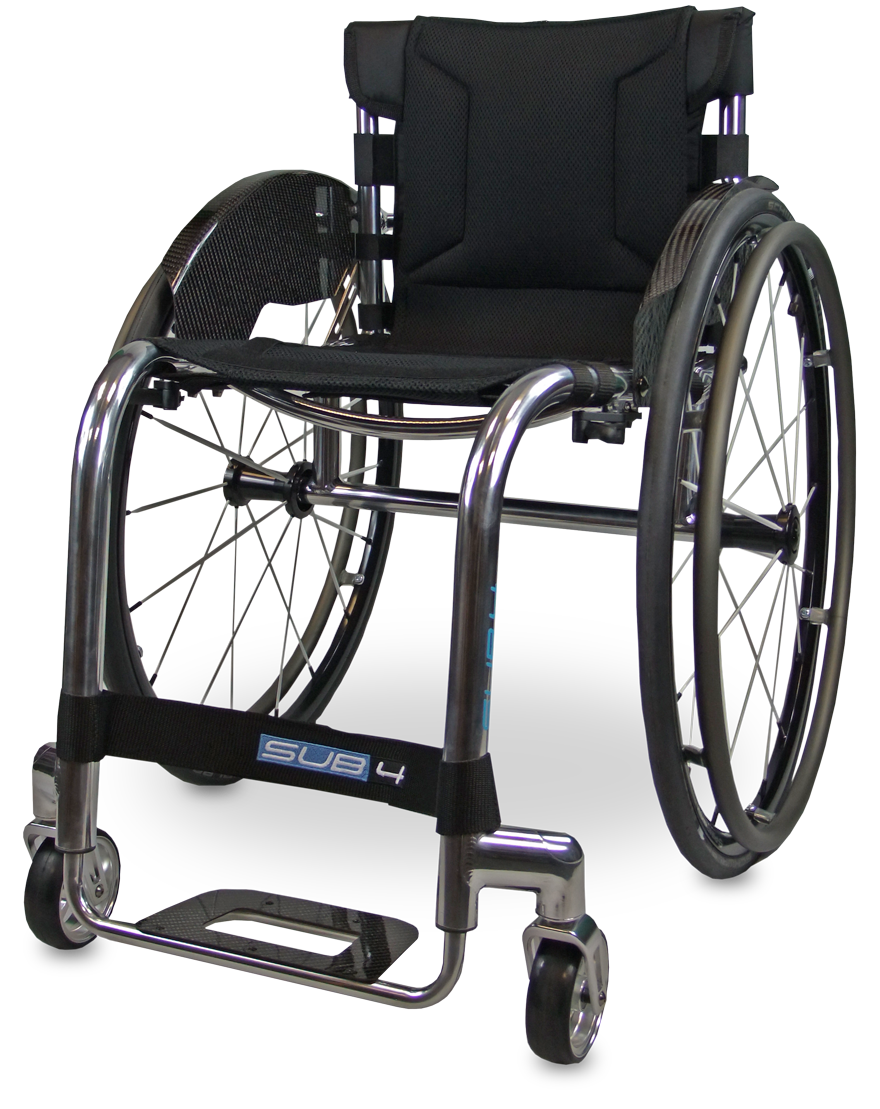
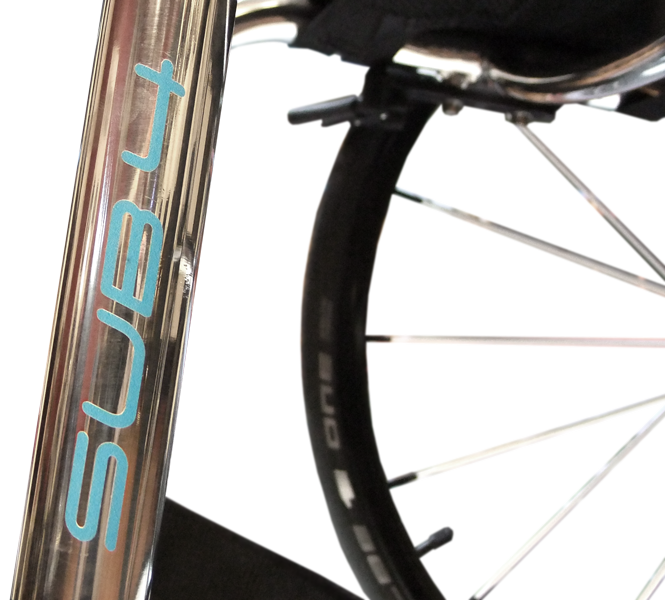
4kg*. That’s a newborn baby. A 7 week old Labrador puppy. Your Tiga Sub4. By making 72 minute but fundamental changes to the Tiga, alterations that many would simply neglect to notice, we have made an obscenely alluring, pioneering lightweight wheelchair that is as rigid and stable as it is lightweight. Transferring, propelling, lifting, turning… All effortless with your Tiga Sub4.

*excluding wheels, cushion and any non-certified options.
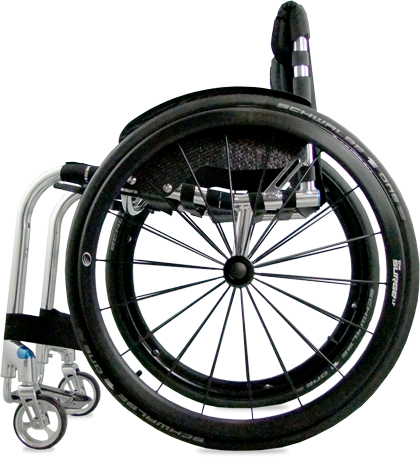
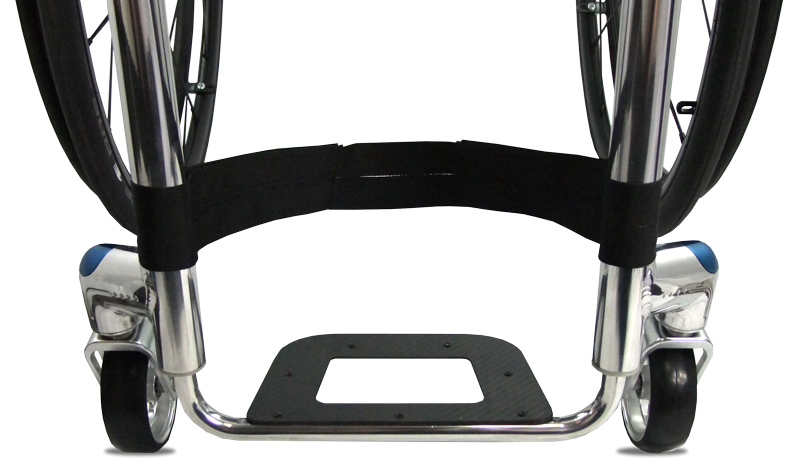
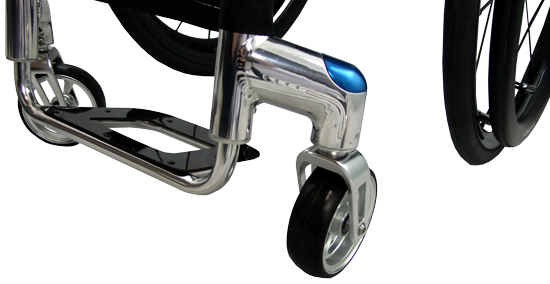
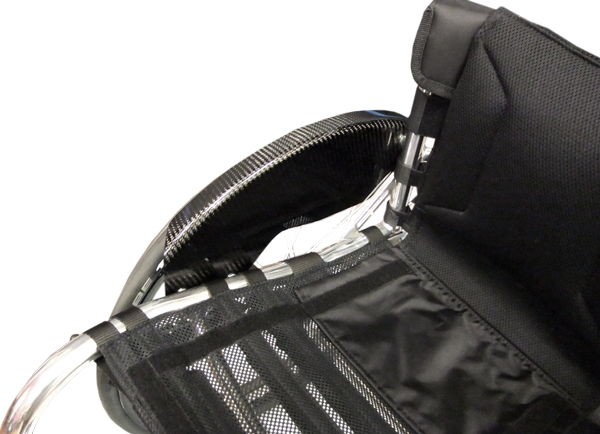
By embracing marginal gains technology, the Tiga Sub4 has been created as an unparalleled ultra-lightweight wheelchair. A completely unique Sub4 upholstery, shortened axle and pin setup, specially designed froglegs super light castors and corrosion resistant titanium fasteners, the Tiga Sub4 is as smart as it is beautiful.
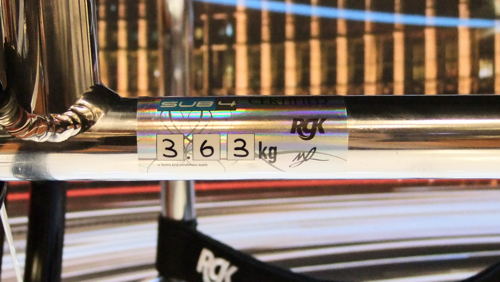
Only the best materials are used in your Tiga Sub4. Aluminium is famous for its strength, durability and is synonymous with lightness. The utmost best performance of your chair is ensured by only using elements produced by market leaders, alongside a staggering 19 quality checks throughout the build, from measure to handover.
Download the full Tiga Sub 4 user manual here
Do you need help with funding your RGK chair?
There are a few different ways in which you can try to get funding for your wheelchair. These choices include NHS Wheelchair Services, Access to Work and charities.
While countries like Thailand and Liechtenstein have embraced marriage equality, others—such as India—have recently passed the 2026 Transgender (Protections of Rights) Amendment Bill , which controversially shifts gender recognition from self-identification to mandatory medical certification. Public Sentiment vs. Political Action
In 2026 alone, state legislatures have considered 767 anti-trans bills , with 34 already passing. These include "sex definition" laws that redefine biological sex across entire legal codes to exclude transgender and nonbinary people from legal recognition.
The current political environment for transgender individuals is marked by an unprecedented volume of restrictive legislation in the United States and abroad.
The transgender community and broader LGBTQ+ culture in 2026 are defined by a dual reality: a significant surge in legal and political challenges countered by high levels of public support and a flourishing of independent creative expression. While legislative "meta-approaches" increasingly target structural legal recognition, the culture continues to lead mainstream trends through resilient, niche artistic spaces.

Units 8a/b/c Ring Road, Zone 2, Burntwood Business Park, Burntwood, Staffordshire, WS7 3JQ UK.
Part of the Sunrise Medical Group

Company No: 4685517 © RGK Wheelchairs 2024
© 2026 — Future Tribune