D Cup Milf · Trusted & Limited

D Cup Milf · Trusted & Limited


D Cup Milf · Trusted & Limited

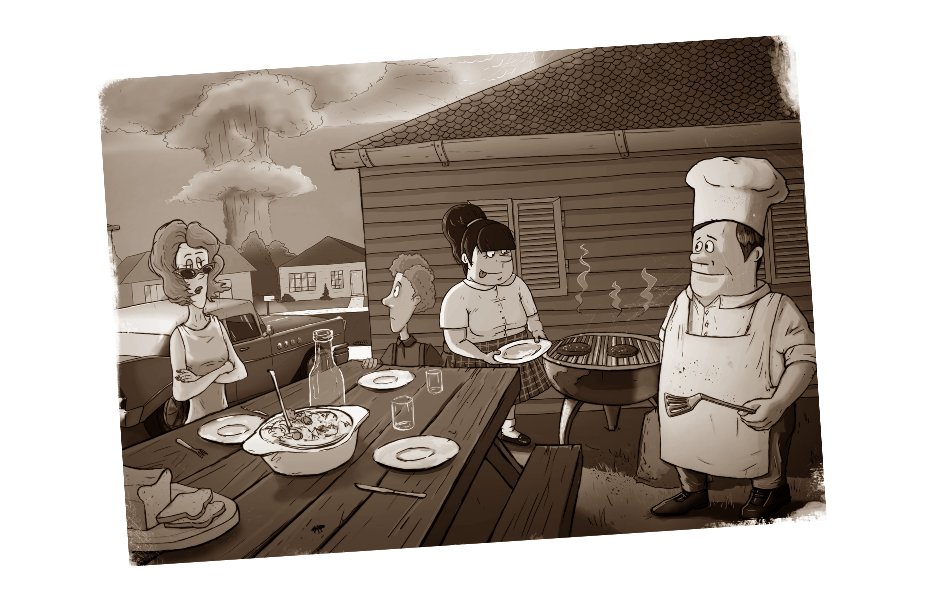
A hard working citizen and a family man.
Hello Ted! Don't be shy!

 
d cup milf
 

Wait a minute, what’s that sound?

Oh no!

It’s the nuclear bomb alarm!

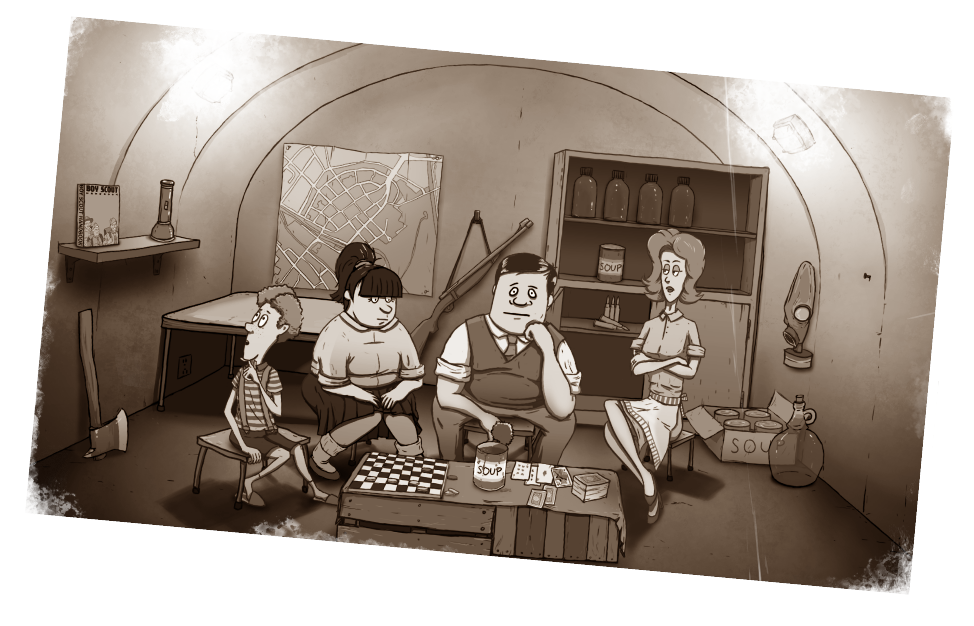
Not to worry, Ted knows what to do! The government’s superb early warning system gives Ted 60 seconds to take cover in the fallout shelter under his house. That’s more than enough time for Ted to collect supplies and of course his family! Now Ted can safely enjoy those charming sunsets over the radioactive wasteland with his loved ones*.

Good luck Ted!

d cup milf

* The government does not take responsibility for hardship, difficult and irreversible decisions and canned soup diet that will follow.

For decades, the entertainment industry operated under a narrow visual and narrative scope that often rendered women "invisible" once they passed the age of forty. In the rigid landscape of classic Hollywood, mature women were frequently relegated to secondary roles—the supportive mother, the eccentric aunt, or the embittered antagonist—while their male counterparts enjoyed long careers as romantic leads and action heroes. However, contemporary cinema is undergoing a significant transformation. Today, mature women are increasingly reclaiming the spotlight, not just as supporting players, but as complex protagonists who command both the box office and critical acclaim.

The historical marginalization of older women in film is often described as "gendered ageism". This phenomenon is driven by a double standard: while men are often seen as gaining gravitas and appeal as they age, women have traditionally been pressured to maintain an appearance of perpetual youth. This bias is not just limited to the screen; it extends behind the scenes, where fewer opportunities have historically been available for older female directors, writers, and producers. These systemic barriers have long limited the diversity of stories told about aging, often leaning on tired stereotypes of "passive victimhood" or "senility" rather than realistic portrayals of agency and desire. Time Essay: In Praise of Older Women
D Cup Milf · Trusted & Limited

For decades, the entertainment industry operated under a narrow visual and narrative scope that often rendered women "invisible" once they passed the age of forty. In the rigid landscape of classic Hollywood, mature women were frequently relegated to secondary roles—the supportive mother, the eccentric aunt, or the embittered antagonist—while their male counterparts enjoyed long careers as romantic leads and action heroes. However, contemporary cinema is undergoing a significant transformation. Today, mature women are increasingly reclaiming the spotlight, not just as supporting players, but as complex protagonists who command both the box office and critical acclaim.

The historical marginalization of older women in film is often described as "gendered ageism". This phenomenon is driven by a double standard: while men are often seen as gaining gravitas and appeal as they age, women have traditionally been pressured to maintain an appearance of perpetual youth. This bias is not just limited to the screen; it extends behind the scenes, where fewer opportunities have historically been available for older female directors, writers, and producers. These systemic barriers have long limited the diversity of stories told about aging, often leaning on tired stereotypes of "passive victimhood" or "senility" rather than realistic portrayals of agency and desire. Time Essay: In Praise of Older Women d cup milf

D Cup Milf · Trusted & Limited

Console
PlayStation

D Cup Milf · Trusted & Limited

General:
Press:
Support:
d cup milf
Get social!
Share this
Follow us