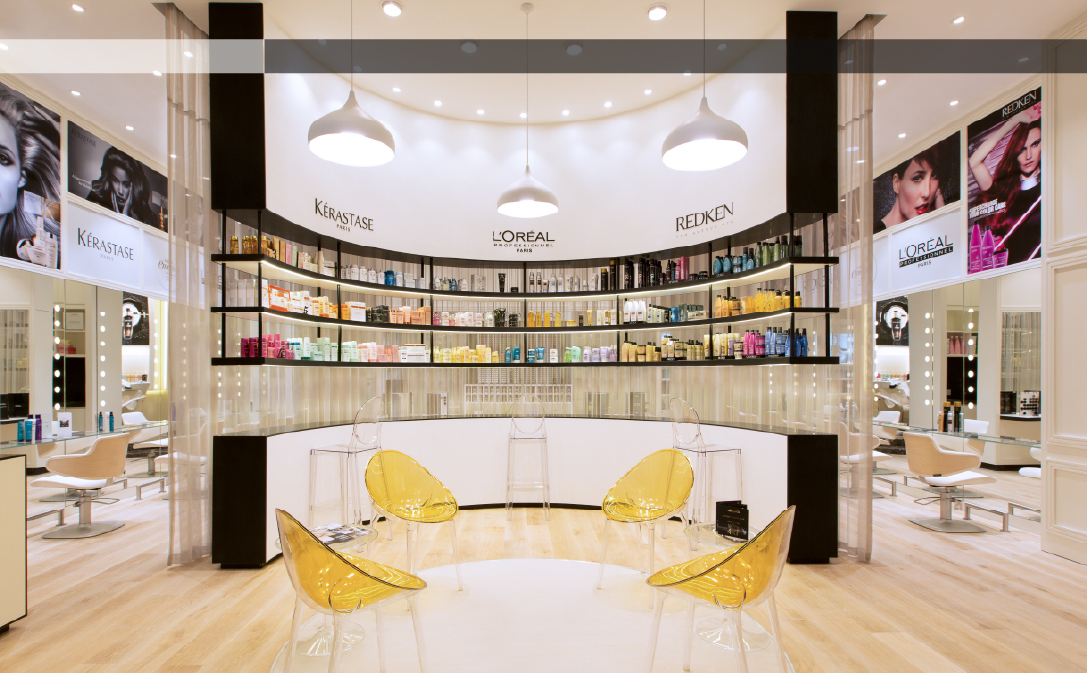

Founded in 1999, Belle Femme Beauty Salon is a name synonymous with luxury, innovation, and excellence in the beauty industry. For over two and half decades, we have been the ultimate destination for women seeking bespoke beauty experiences tailored to their desires.
Renowned for our signature treatments, we offer a comprehensive range of services, from hair treatments and extensions to Moroccan baths, body sculpting massages, skincare, makeup, and nail care. With a strong focus on luxury, comfort, and hygiene, our brand has expanded to include:
Whether you need a facial at home, a quick manicure, a hair transformation, or a rejuvenating spa session, Belle Femme is your answer. Our exclusive network also provides access to high-end hair products, accessories, makeup, lip liners, eyelash extensions, and microblading services.
This essay draft examines Virginia Woolf's To the Lighthouse (1927), focusing on its exploration of memory, art, and the passage of time.
(stream of consciousness). Which area What Is Real Is Imagined - The New York Times
The novel is structured around the passage of time, most notably in the "Time Passes" section, where Woolf records the decay of the Ramsay family’s summer home and the intrusion of death—including the abrupt passing of Mrs. Ramsay—during the First World War. This section highlights the relentless, impersonal force of time, stripping away human presence to show the fragility of existence. The lighthouse remains a constant throughout these changes, providing a steady, rhythmic, and luminous presence, a focal point that persists despite the emotional upheaval and loss experienced by the characters.
In the final section, "The Lighthouse," when the surviving characters finally make the trip, it is not simply a fulfillment of a childhood promise for James, but a moment of reckoning. As Mr. Ramsay, James, and Cam reach the lighthouse, Lily, on the shore, finally completes her painting. Her finishing the painting signifies that she has captured the essence of her experience, reconciling the memory of Mrs. Ramsay with her own identity. The "vision" she achieves is not a moment of absolute perfection, but a personal triumph over time, mortality, and the limitations placed upon her as a woman, cementing art's role as a source of order and permanence. Key Themes for Further Development
How different characters perceive the same event or object, especially the lighthouse itself.
Virginia Woolf’s To the Lighthouse is a profound exploration of human consciousness, navigating the tension between the transient nature of life and the human desire for permanence. Through its stream-of-consciousness narrative, the novel delves into the inner lives of its characters, particularly Mrs. Ramsay and Lily Briscoe, portraying them not as linear actors but as fragmented beings searching for meaning amidst the chaos of existence. The lighthouse itself serves as a central, multifaceted symbol, acting as both a physical beacon and a psychological anchor that shifts in significance over time.


This essay draft examines Virginia Woolf's To the Lighthouse (1927), focusing on its exploration of memory, art, and the passage of time.
(stream of consciousness). Which area What Is Real Is Imagined - The New York Times
The novel is structured around the passage of time, most notably in the "Time Passes" section, where Woolf records the decay of the Ramsay family’s summer home and the intrusion of death—including the abrupt passing of Mrs. Ramsay—during the First World War. This section highlights the relentless, impersonal force of time, stripping away human presence to show the fragility of existence. The lighthouse remains a constant throughout these changes, providing a steady, rhythmic, and luminous presence, a focal point that persists despite the emotional upheaval and loss experienced by the characters.
In the final section, "The Lighthouse," when the surviving characters finally make the trip, it is not simply a fulfillment of a childhood promise for James, but a moment of reckoning. As Mr. Ramsay, James, and Cam reach the lighthouse, Lily, on the shore, finally completes her painting. Her finishing the painting signifies that she has captured the essence of her experience, reconciling the memory of Mrs. Ramsay with her own identity. The "vision" she achieves is not a moment of absolute perfection, but a personal triumph over time, mortality, and the limitations placed upon her as a woman, cementing art's role as a source of order and permanence. Key Themes for Further Development
How different characters perceive the same event or object, especially the lighthouse itself.
Virginia Woolf’s To the Lighthouse is a profound exploration of human consciousness, navigating the tension between the transient nature of life and the human desire for permanence. Through its stream-of-consciousness narrative, the novel delves into the inner lives of its characters, particularly Mrs. Ramsay and Lily Briscoe, portraying them not as linear actors but as fragmented beings searching for meaning amidst the chaos of existence. The lighthouse itself serves as a central, multifaceted symbol, acting as both a physical beacon and a psychological anchor that shifts in significance over time.


